Breaking Barriers in Insurance: The INmersABILITY Project
December 3, 2025
SCOR Singapore, in collaboration with Howden and Charles Taylor, has launched Project INmersABILITY to champion disability inclusion within the (re)insurance sector. This groundbreaking six-month pilot program kicked off in July of this year, aiming to address the underrepresentation of People with Disabilities (PWD) in the (re)insurance industry.
The initiative is the first of its kind: a six-month rotational program that places a person with disability across three companies to offer a holistic view of the industry.
The program was led by Krystal Lim, Engagement & Inclusion Lead for SCOR APAC. For her, this pilot was not just an aspiration, it was a statement.
“Disability inclusion often stays at the level of raising awareness and sparking inspiration, but what are we concretely doing about it?” she reflected. “We celebrate stories, think about accommodations, and have PWDs share their experience in the workplace, but we don’t take concrete action. People with disabilities are an untapped talent source, and our industry is constantly facing manpower challenges. This program is an opportunity to bridge the gap.”
Designing a Program Rooted in Intentionality
Krystal’s goal was clear: create a structured, progressive experience that takes a PWD through the general lifecycle of the insurance industry in order to equip them with valuable skills, while exposing employees across three firms to the opportunity of working with Persons with Disabilities.
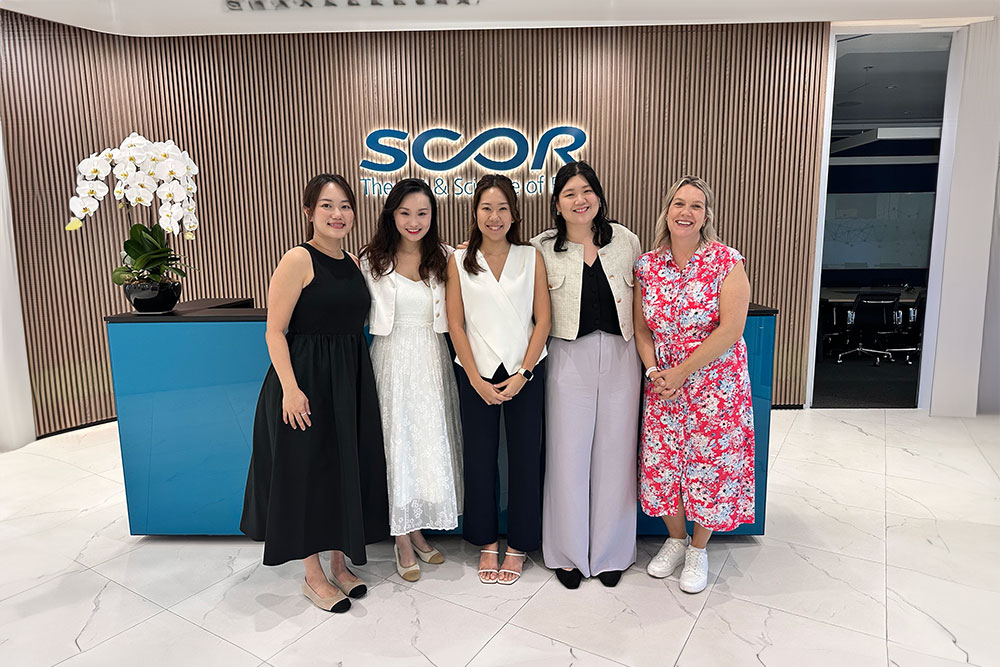
The candidate would begin at a broking firm (Howden), move into a carrier (SCOR), and conclude at a loss-adjusting firm (Charles Taylor) with each rotation lasting almost two months.
But launching such a program was complex. “It took a village,” Krystal said, recalling the long journey from pitching the idea to partners and getting buy in, to identifying the teams that would be the best fit for the program and preparing disability awareness trainings for employees.
Her previous lived experience as a Talent Acquisition and Recruitment Professional in both disability and non-disability circles played an important role, as it informed her of how such programs needed to be structured differently from traditional models to maximize success.
“Traditional recruitment starts with defining a role and finding a perfect fit,” she explained. “But for a program like this, the end goal involves a few main components: supporting the PWD, moving beyond what companies traditionally do in having gender quotas, and ensuring employees learn how to work inclusively while demonstrating that our industry is welcoming towards these talents. If the process is too rigid, we lose the beauty of what this can achieve.”
Entering a New World: Justin’s Perspective
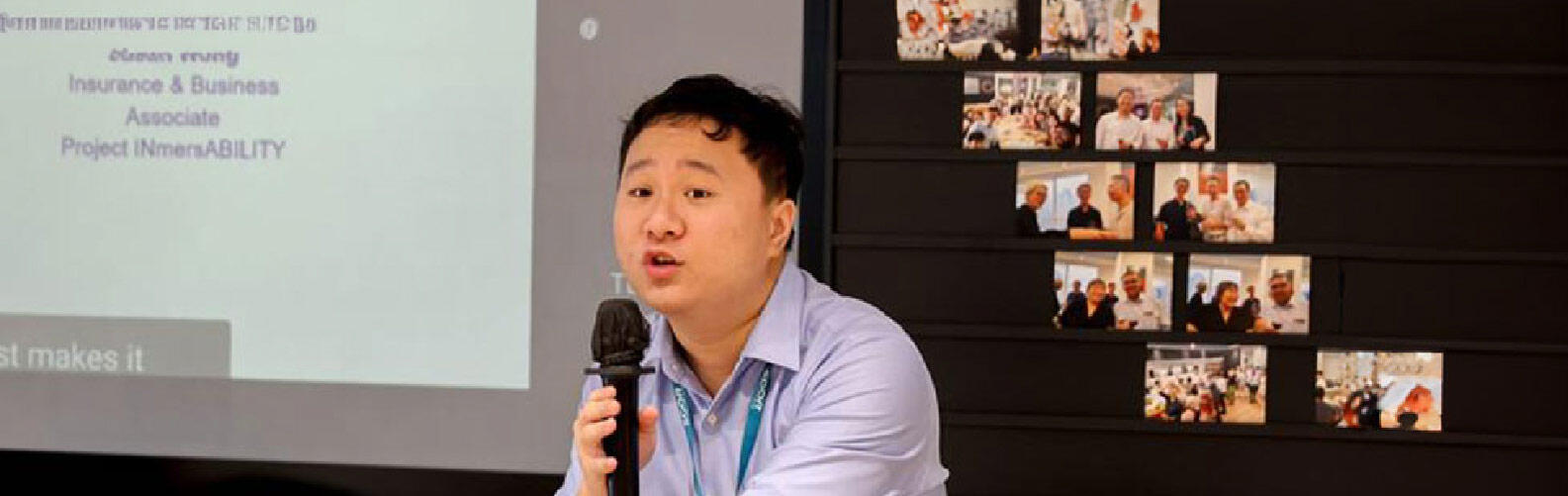
For Justin Wong, the candidate who was selected to participate in the pilot, the program opened a door into an industry he never knew existed.
“Truth be told, I didn’t even know reinsurance was a thing, but now I see how layered it is,” he said.
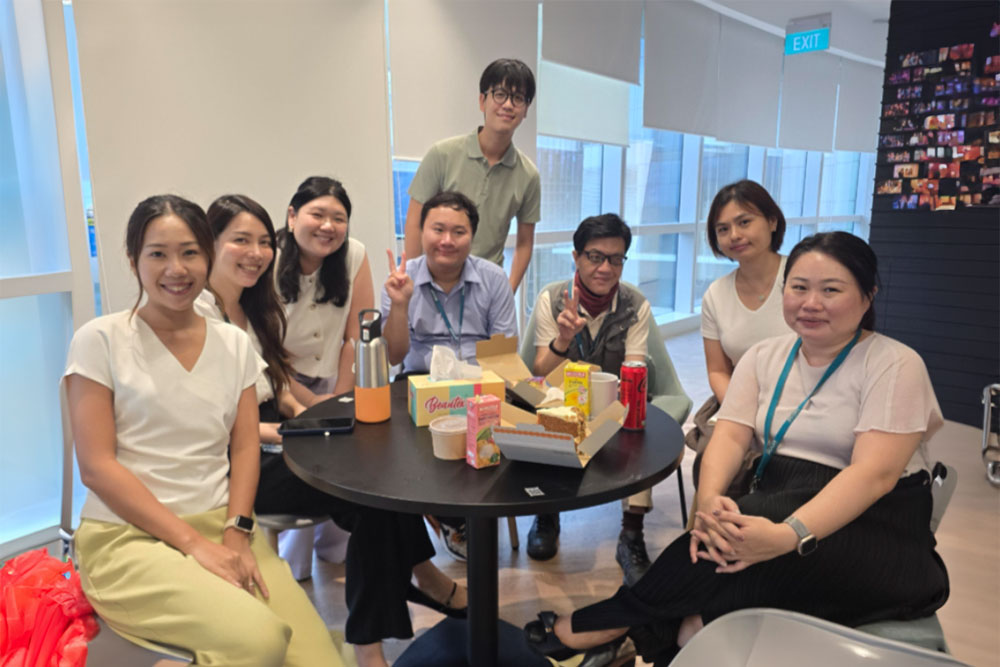
Diagnosed with autism spectrum disorder (ASD) and attention deficit hyperactivity disorder (ADHD) early in life, Justin’s professional background in financial technology and fraud analysis made him a strong candidate for this program. He believes that the project INmersABILITY helped him to strengthen his ability to communicate in corporate settings, refine analytical skills, and build confidence in making decisions and contributing effectively to team goals.
“The skills and knowledge I’ve gained will have an outsized impact on whatever I pursue next,” he said. “It’s remarkable that a career I barely knew at the start of this year is now high on my list of future considerations.”
Building Better Workplaces: What Colleagues Should Know
Beyond professional experience, Justin’s story offers insight into “living well, though differently” with autism and ADHD. He explained how social dynamics can be exhausting for someone who processes information in a non-linear way.
“Autistic people don’t process things in a straight line,” he explained. “It’s like connecting scattered data points into a web.”
This shapes how he interacts with colleagues at work and why he uses “masking,” a daily effort to appear neurotypical: “It’s a social costume that feels acceptable but drains your energy.”
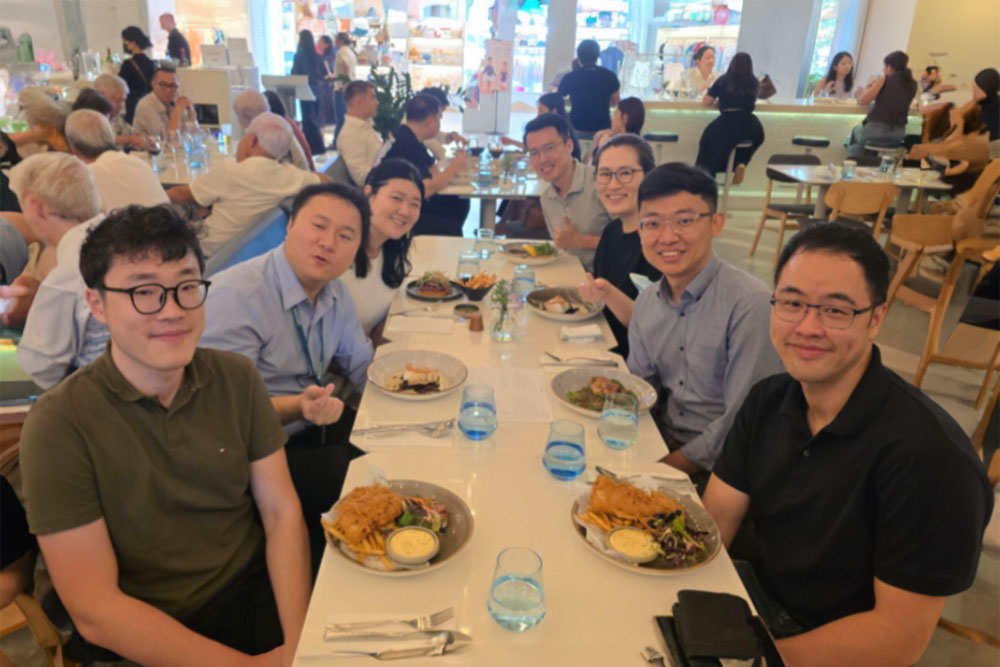
When asked how neurotypical colleagues can best work with him, Justin highlights two essentials: patience and direct communication. Krystal builds on this, emphasising that disability lies on a spectrum.
“There is no one-size-fits-all manual for working with a person with autism or ADHD,” she said. “Conditions may co-occur, needs vary, and the approach must be individualized.”
Moreover, Justin wants people to know that autism is only one part of him: “I like to travel, eat, talk! Autism is a major part of me, but it doesn’t define all of me.”
As the pilot cycle of Project INmersABILITY unfolds, the hope is that this initiative becomes a model for a broader, more ambitious talent pipeline, one where inclusion is not merely a form of virtue signalling but lived and celebrated as a cornerstone of culture.
For now, though, the success is already visible: in Justin’s growth, in the teams he works with, and in the way colleagues across three companies are learning, adapting, and expanding what they thought they knew.
Related articles
Life at SCOR
The SCOR Foundation for Science is playing an active role in bridging academia and industry
July 9, 2025